• Comparative Analysis of Satellite TV System and IPTV System
    Comparative Analysis of Satellite TV System and IPTV System
    Comparative Analysis of Satellite TV System and IPTV System Satellite TV and IPTV are two of the most popular transmission technologies in today's diverse television viewing landscape. Each possesses unique technical characteristics, application scenarios, and advantages and disadvantages. While both ultimately aim to provide users with rich audiovisual content, they differ significantly in transmission methods, user experience, cost structures, and applicable environments. Understanding these differences can help consumers choose the most appropriate service for their needs and assist industry practitioners in optimizing technical solutions. Satellite television systems transmit television signals via geostationary satellites. They work by uploading television signals to satellites, which then broadcast the signals to a wide area on Earth. Users install satellite antennas (commonly known as "dishes") to receive the signals, which are then decoded by set-top boxes to watch the programs. The advantage of satellite television is its extremely wide coverage, especially in remote areas or places with inadequate infrastructure, where satellite television is often the only viable option. For example, in mountainous areas, islands, or rural areas, laying cable television or fiber optic networks can be difficult, while satellite television can easily provide signal coverage. Furthermore, satellite television generally offers stable signal quality and is less affected by fluctuations in terrestrial networks, making it suitable for programs that require high real-time performance, such as live sports events. However, satellite TV also has significant limitations. First, installation and maintenance costs are high. Users need to purchase a satellite dish and set-top box, and ensure the dish is facing correctly to avoid obstructions. In severe weather conditions, such as heavy rain or snow, the signal may be disrupted or even interrupted. Second, satellite TV lacks interactivity. Traditional satellite TV is typically one-way transmission, preventing users from ordering content or engaging in interactive operations like they can on the internet. Although some service providers have introduced satellite TV with two-way capabilities in recent years, its flexibility and functionality still cannot compare to IPTV. Furthermore, while satellite TV offers a large number of channels, its personalized recommendations and content retrieval capabilities are relatively limited. In contrast, IPTV is a technology that delivers television content via the Internet Protocol. It relies on broadband networks to transmit television signals in the form of data packets to users' end devices, such as smart TVs, set-top boxes, or mobile devices. The greatest advantage of IPTV lies in its high flexibility and interactivity. Users can not only watch live programs but also order movies, TV series, and other video content on demand, with support for pause, rewind, and fast-forward funct...
    Aug 01, 2025 View More
  • What is Tizen OS?
    What is Tizen OS?
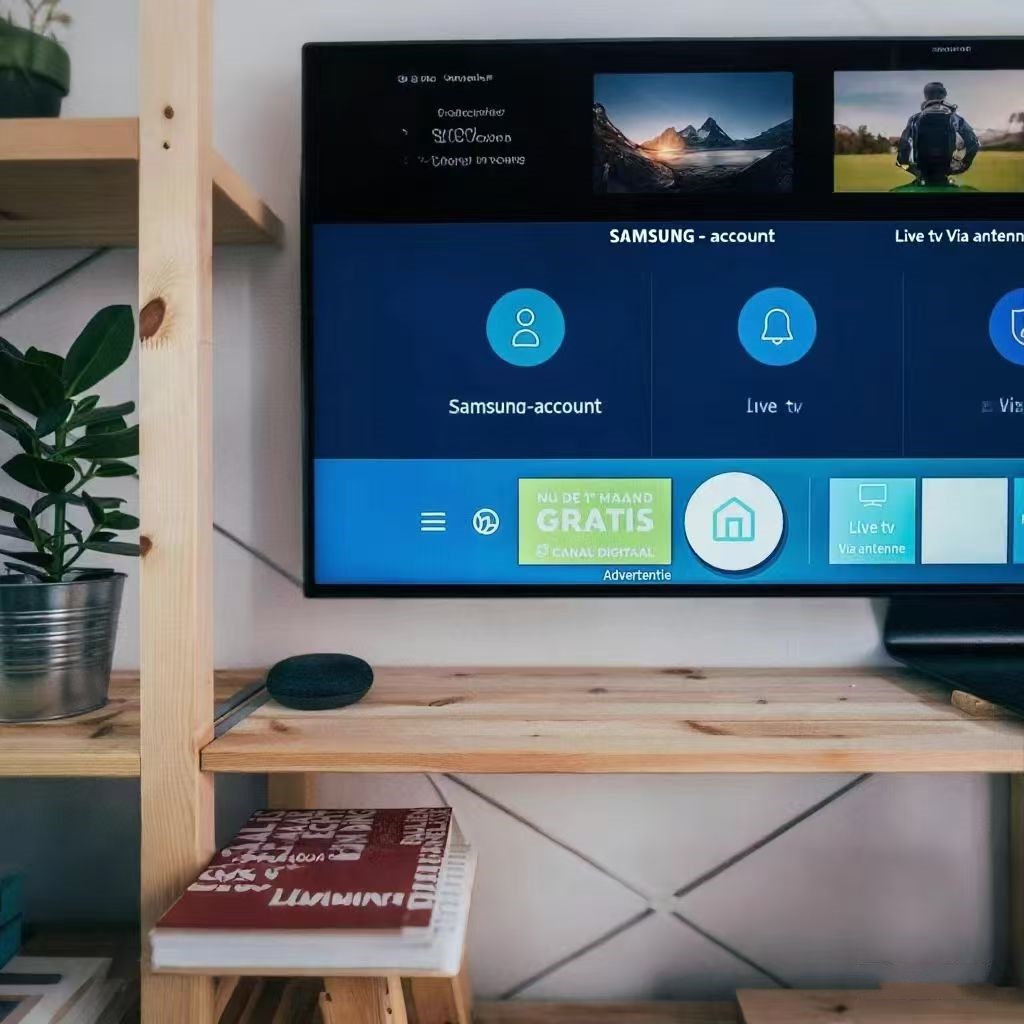
    What is Tizen OS? Tizen OS is an open-source operating system developed by Samsung, specifically designed for their smart devices, including smartphones, wearables, and of course, Smart TVs. Tizen OS provides users with a seamless and interactive experience, offering a range of features and customization options. One of the standout features of Tizen OS is its intuitive user interface. The interface is streamlined and user-friendly, making it easy for users to navigate through menus, access apps, and control their TV settings. The layout is clean and visually appealing, allowing users to find what they need quickly and effortlessly. Another advantage of Tizen OS is its compatibility with other Samsung devices. The operating system allows for seamless integration with other Samsung smart devices such as smartphones, tablets, and wearables. This means that you can easily share content between your TV and other devices, control your TV using your smartphone, or even mirror your phone’s screen directly onto the TV. Overall, Tizen OS offers a compelling smart TV experience. With its intuitive interface, extensive app selection, multitasking capabilities, and seamless integration with other Samsung devices, Tizen OS is a strong contender in the smart TV operating system market. Samsung continues to invest in the development of Tizen OS, ensuring that users have an exceptional entertainment experience on their Smart TVs. HOW DO YOU INSTALL IPTV SYSTEM WITH TIZEN OS TV? Tizen OS system requests its special app, which is different from the Andriod OS'. SOUKA has developed its own app that runs on Tizen OS recently. With our IPTV server installed, it can automatiocally install the app in the Tizen OS TV. Please contact us for more details.
    Feb 07, 2025 View More
  • What is an IPTV system?
    What is an IPTV system?
    What is an IPTV system? IPTV system is a set of hardware equipment and software interconnected via a computer network and intended to provide video content to viewers. Streamers, Encoders, Middleware, Video-on-demand, Time-shift, and other components are forming together a well-balanced system that is providing IPTV service to hundreds and thousands of users over local metro-e networks, FTTh optical cable or even mobile LTE and WCDMA networks. An IPTV system has two sides, one visible to administrators and another to users. Administrators have to manage the receiving equipment up to satellite dishes to ensure good signal quality, they have to keep the solution up-to-date, secure, and well-performing. Users will see the IPTV system only from the side of client devices and their experience is mostly defined by how well the system is designed in the first place. It also counts, how well the solution is maintained by the administrators. Besides the technical questions, it is important to take care of local law requirements, which sometimes are literally shaping some parts of IPTV systems. For example, in developed economies, the copyright is treated very seriously with law-enforced regulations for conditional access systems that have to be integrated all the way down from content providers to IPTV service providers, network providers, and client devices. To conclude, an IPTV system is very complex and has to be designed with best practices of system architecture design and software development methodologies to be efficient and reliable, while conforming to all law requirements. Please find a more detailed explanation of an IPTV system in the article How an IPTV TV System compares to Cable, Satellite, and OTT.
    Dec 31, 2024 View More
  • How to build a hotel IPTV TV system?
    How to build a hotel IPTV TV system?
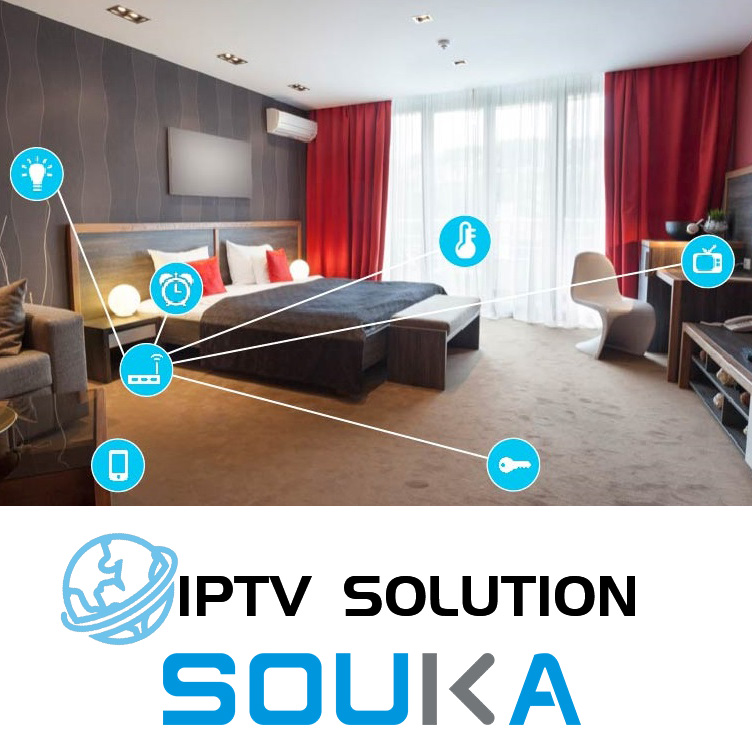
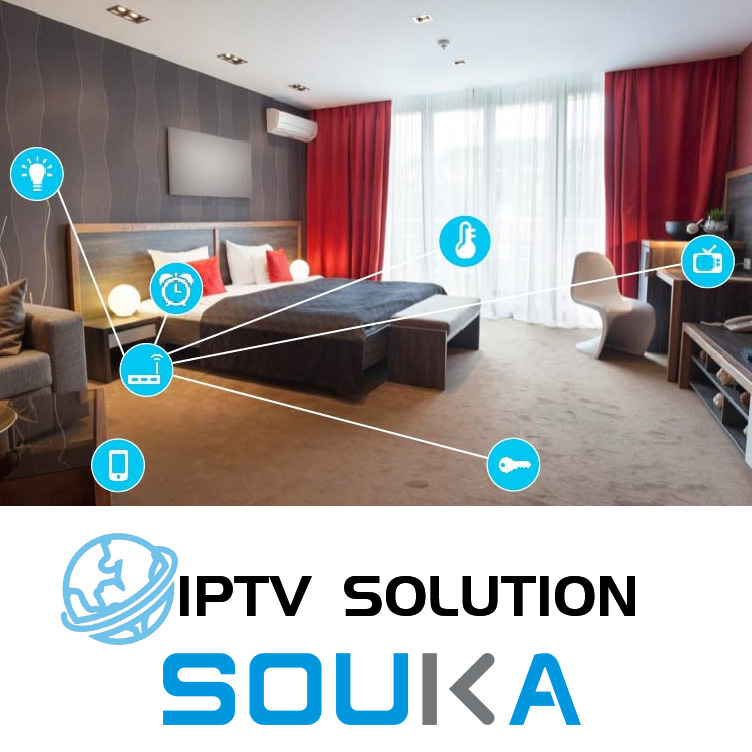
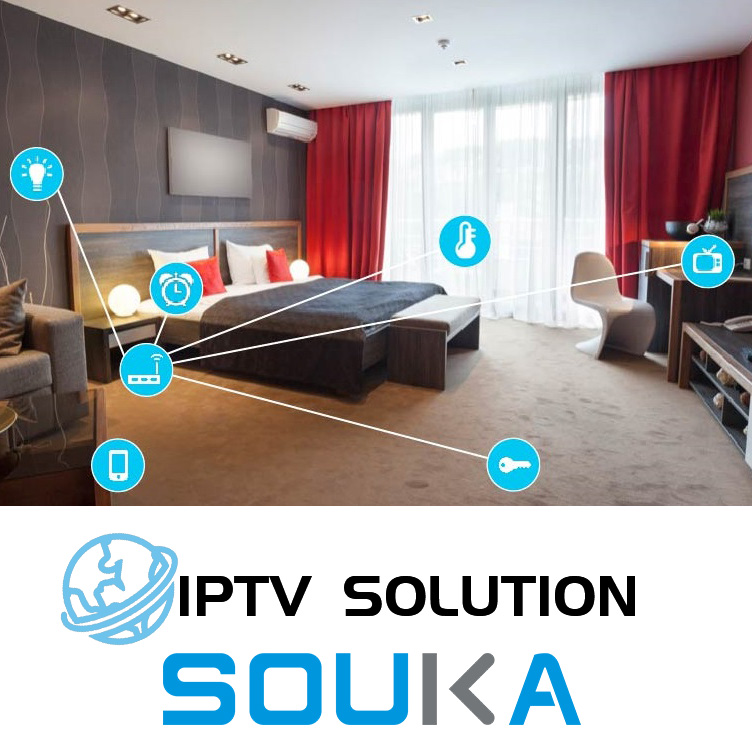
            The global hotel industry has now entered the era of experience economy, and smart hotels are the inevitable trend of hotel development. So how can we successfully build a smart hotel? , You can start from the following points. 1. Intelligentize existing resources and realize value-added operations. On the one hand, make more hotel facilities and guest room equipment intelligent, such as upgrading the room TV intelligent system, transforming traditional TV into a multilingual real-name welcome service, room service, marketing promotion, information release, VOD on-demand, etc. The integrated human-computer interaction platform, the cost of this transformation is not high, but it can bring several times the return on investment for the hotel. On the other hand, expand WIFI, WeChat, official website and other functions, and add interactive modules. For example, when guests connect to the hotel’s wireless network, they will automatically receive hotel coupons to increase their stickiness with customers. 2. Build a rich scene of guests staying in the store, and occupy more fragmented time of the guests. On the one hand, using the display attributes of TVs and flat-panels to transfer laundry, ordering and other services to the display terminal, optimizing the traditional room service process and improving service efficiency; on the other hand, introducing smart devices and slightly modifying traditional facilities to realize self-check-in , WeChat door opening, VOD on-demand, etc., to enhance guest experience. 3. Leverage the mobile Internet to provide decentralized management and social services. On the one hand, using the VOD on-demand system as the carrier, the hotel’s daily housekeeping management is mobilized, the process is simplified, and the structure is flattened. A new service model of "online response and fast service" is established to realize the link between management and service; On the one hand, use big data and cloud computing to make a personalized experience for guests and realize the link between people and services. 4. Create a smart hotel living circle and realize ecological operation. The hotel industry chain is changing from the relationship (B2B2C) between the supplier to the hotel to the guest (B2B2C) to the relationship between the hotel and its partners serving guests together (C2B&B). We hope to become a partner integrating third-party resources, centering on the three centers of marketing, management, and service, using "SOUKA" VOD system and "SOUKA" smart terminals and other headend products to create a mobile Internet life circle with the hotel. Serve hotel guests.
    Dec 16, 2021 View More
  • What is the difference between IPTV, Internet TV, and Smart TV?
    What is the difference between IPTV, Internet TV, and Smart TV?
           The rapid development of the Internet and the increasing participation of the Internet in traditional industries have caused traditional industries to be deeply affected by the Internet. The background of the Internet era makes companies pay more attention to user experience and content, which drives the transformation of the content and terminal system of the traditional TV industry. As a result, many new audiovisual media have emerged. In this, in addition to the online video we are used to hearing, OTT TV and IPTV are also constantly entering everyone's field of vision. What the hell are OTT TV and IPTV? What changes has the Internet brought to our audiovisual industry today?         1. Concept differentiation        OTT TV: The abbreviation of “Over The Top TV” is based on the public Internet as the transmission medium, and a TV set with a specific number bound to the network access function is used as the output terminal. The integrated broadcast control platform approved by the department (currently the State Administration of Press, Publication, Radio, Film and Television, referred to as the State Administration of Radio, Film and Television, the same below) to provide users nationwide with content services based on video-on-demand and graphic information services and other related value-added business services TV terminal. It means to provide services on the network, emphasizing the irrelevance of services to the physical network.        The word Over the Top comes from sports such as basketball and means "over the top pass".        Digital TV: It is an end-to-end system that digitally processes signals from program collection, program production, program transmission to the user end, and is based on DVB technical standards "broadcast" and "interactive" digital television.        Interactive Internet TV (IPTV): It is a technology that uses broadband networks to integrate Internet, multimedia, and communications technologies to provide home users with a variety of interactive services, including digital TV.        Smart TV: It is a TV product that has a fully open platform and an operating system. While enjoying ordinary TV content, users can install and uninstall various application software by themselves, and continue to expand and upgrade their functions.        2. What is the difference between OTT TV and IPTV?        1). In terms of business operation platform, the main body of OTT TV business operation is provided by 7 Internet integration platform licensees. Operators do not participate in the operation, and resources are transmitted to the terminal through the operator's bandwidth. After the user leases the operator's broadband service, the OTT service will no longer bring other benefits to the telecom operator.        IPTV...
    Dec 08, 2021 View More
  • SOUKA interactive TV system (IPTV) for school
    SOUKA interactive TV system (IPTV) for school
    Education informatization refers to the use of computer multimedia and network information technology in the field of education to promote the overall reform of education and adapt it to the new requirements of the information society for the development of education. In order to adapt to the development of education informatization, many schools have carried out informatization campus construction. The interactive TV system is mainly installed in the classroom of the school. Teachers or students can watch live TV, on-demand movies, and instructional videos by clicking on our vod system through touch-screen TV. The interactive TV system can be spliced with the course recording and broadcasting module. The teacher can upload the recorded teaching video to the background through our background, and the students can easily watch the teaching video of the teacher. In addition, compared with traditional TV teaching, the interactive TV system can meet more individual needs, such as mandatory interruption, background statistics, etc., and is better adapted to information-based teaching. The characteristics of campus IPTV IPTV (Internet Protocol TV, Interactive Personal TV) is also called interactive network TV. As a combination product of the development of digital TV and broadband network technology, it can broadcast programs interactively on the existing broadband IP platform. And it brings many value-added services, and it also represents the future development direction of video multimedia technology. With the development of broadband networks, digital TV technology and multimedia technology, IPTV has become a service with great market potential and has received more and more attention. Entry point. The pace of campus informatization construction has intensified. So far, thousands of colleges and universities have built their own campus networks. The establishment of IPTV systems in colleges and universities will have a huge impact on the learning and life of teachers and students. Shenzhen Dingshengwei (SOUKA) combined the characteristics of the university network and the operation and management of the IPTV system, network transmission and value-added services, from software to hardware, and proposed a set of campus IPTV system solutions. Campus TV stations are widely used in schools in the digital age. The practice of using the school’s original equipment to establish a digital campus network TV station system provides a low-cost digital video TV station program. In addition to completely replacing the original analog live broadcast system and greatly improving video clarity, it can also realize functions such as mobile live broadcast and cross-school live broadcast at any location in the campus, and an online video-on-demand function is added. The establishment of campus network TV station can serve as a good window for external communication on the one hand: doing a good job in publicity work and at the same time doing a good job in data preser...
    Nov 26, 2021 View More
  • The intelligentization of hotels has gradually become the trend of the future development of hotels
    The intelligentization of hotels has gradually become the trend of the future development of hotels
          The strength of a high-standard and international hotel is not only reflected in the complete hardware facilities and good geographical advantages, but also in the soft power of the hotel-the level of service. Intimate, thoughtful and standard international services are the core values of high-level hotels. In the age of intelligent information, IT technology has become the most critical factor supporting the level of hotel services.       Smart hotel enters the era of "smart service"       Smart hotels are a major trend in the development of the hotel industry in the future       The first, smart hotels must be intelligently designed around the needs of guests. In the future, our hotels will be intelligent, and now there are many intelligent houses, but the cost of building intelligent hotels will be very high. However, it is believed that with the maturity of intelligent building technology, the marginal cost will decrease. In addition, the operating cost of intelligent hotels will be lower, mainly due to the saving of labor costs.       The second, smart hotels must be able to achieve intelligent management. With the development of information technology, the traditional service industry is becoming more and more manufacturable. The traditional innovation theory is mainly aimed at the manufacturing industry. It is believed that the innovation of the service industry is mainly based on the mature technology of the manufacturing industry. Some people think that the innovation of the service industry is difficult to evaluate because each service product is unique. If you look at it from a unique perspective Looking at innovation, there is no doubt that every service product is innovating.       The transformation of hotel intelligence will form a huge industrial chain. Over the years, the hotel industry has developed quite maturely, and the number of domestic star-rated hotels is already a surprising number. The smart hotel technology is also slowly moving towards a mature development period, and the promotion of smart hotel projects is already a task that should be carried out nowadays. Through the intelligent transformation of hotels, a huge industrial chain will be formed, providing a large number of employment opportunities, stimulating the development of related industries, and further promoting the rapid development of Internet of Things technology.
    Nov 17, 2021 View More
  • SOUKA hotel interactive TV system (IPTV)
    SOUKA hotel interactive TV system (IPTV)
         "SOUKA" hotel interactive TV system, that is, the interactive smart TV system used in the hotel industry, is a kind of use of cable TV network and Ethernet data network, through the high-performance SOUKA set-top box, check in to the hotel with the TV as the terminal Guests provide interactive service systems including digital TV broadcasting, high-definition video-on-demand, comprehensive information query, business and travel value-added services and other functions. This system is a professional product that meets the needs of hotels, especially high-end star hotels, to provide guests with multilingual audio and video entertainment, information and functional services. It is the core of current hotel room informatization and digitization. "SOUKA" Hotel Interactive TV Technology : SOUKA set-top box: Hotel interactive TV set-top boxes are divided into two basic standard systems supporting digital television broadcasting (DVB) and supporting Internet television (IPTV). Streaming media technology: The streaming media server supports multiple compression/decompression standards, and supports broadcast, carousel, and on-demand functions. Intelligent interaction: realize intelligent interaction functions through other application systems. For example: docking with the hotel PMS management system to realize intelligent language switching, account settlement, online message, etc.; at the same time, it can perform data operations and functional operations with third-party systems, such as: real-time ticket booking, settlement and check-in printing, etc. . Content management: support the packaging of the hotel's personalized interface, the publishing of text, pictures, audio and video, the operation and management of on-line and off-line. The content of "SOUKA" hotel interactive TV : Basic content: You can enjoy a variety of integrated latest TV functions and services, including: broadcast TV, Internet TV, satellite TV, etc. It supports regular recording and review of basic TV channels and paid channel programs. Extended content: You can enjoy local TV carousel and on-demand services, such as: on-demand entertainment services that focus on movies on demand and include a variety of content; local-style food, transportation, tourism, fashion and other carousel channels. Service content: The hotel provides customers with in-store ordering, shopping, message messages, quick checkout, automatic wake-up service functions, as well as security, recreation and other service information through interactive TV. Business travel information and value-added services: travel information, weather, transportation, shopping, food, entertainment, etc. that are concerned and demanded by business travelers, as well as service functions such as meal ordering, ticket booking, and car chartering required by guests. The manifestation is in the form of multimedia electronic magazines, audio and video media, audio broadcasts, and graphic function pages. Other l...

    Nov 11, 2021 View More
1 2 3 4

A total of 4 pages

click here to leave a message

Leave A Message
If you are interested in our products and want to know more details,please leave a message here,we will reply you as soon as we can.

Home

Products

about

contact